Tripura is strengthening its tourism infrastructure with the renovation of the Sepahijala resort and the introduction of an electric-bike service aimed at promoting eco-tourism. The initiative seeks to improve facilities for visitors while encouraging more environmentally conscious ways to explore the state’s natural attractions. The development reflects the growing importance of tourism infrastructure in expanding visitor experiences and supporting local economic activity.
Sepahijala, known for its wildlife sanctuary, forest landscapes and biodiversity, is an important destination for nature-based tourism in Tripura. The area attracts visitors interested in wildlife, birdwatching and outdoor experiences. Improving accommodation facilities and introducing additional visitor services could make the destination more convenient for tourists and encourage longer visits, potentially benefiting businesses connected to hospitality, transport, food and local retail.
The renovation of the resort is an important part of improving the visitor experience. Comfortable accommodation, well-maintained facilities and better access to tourist attractions can influence travellers’ decisions when choosing destinations. For tourism businesses, these improvements can help create opportunities to attract families, individual travellers and organised tour groups. The long-term benefits will depend on service quality, visitor demand, effective promotion and the continued maintenance of the facilities.
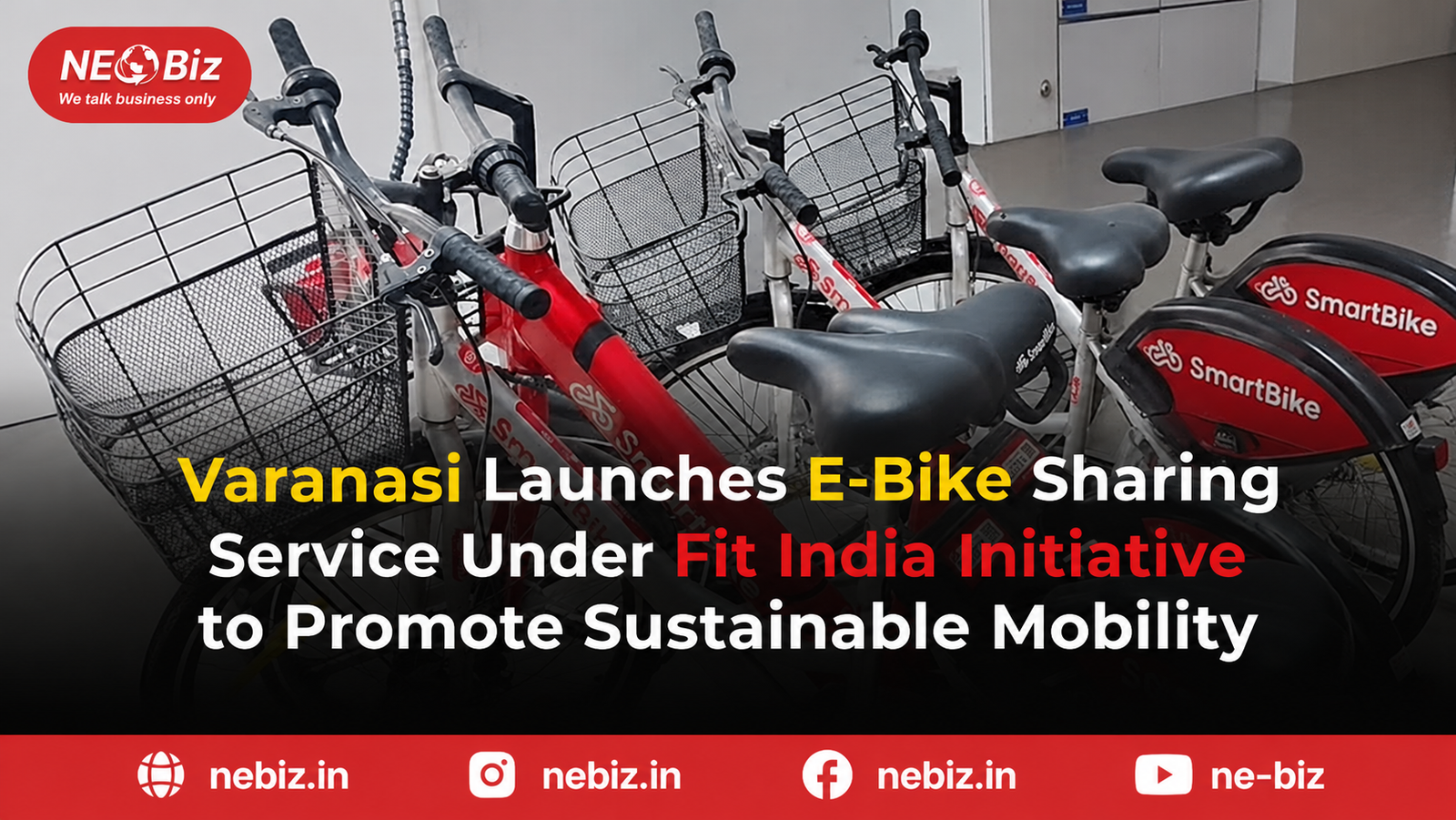
The introduction of electric bikes adds a sustainable mobility component to the initiative. E-bikes can provide visitors with an alternative way to travel around designated areas, depending on the routes and services available. Compared with conventional motor vehicles, electric bikes produce no tailpipe emissions during use and can support lower-impact tourism when managed appropriately. Their practical benefits will depend on the availability of safe routes, charging facilities, maintenance services and clear guidelines for visitors.
Eco-tourism has the potential to connect environmental conservation with local economic development. When tourism activities are planned responsibly, they can create demand for accommodation, guides, local transport, food services, handicrafts and other products supplied by nearby communities. Small businesses can benefit when visitors spend money locally, while tourism operators gain opportunities to develop experiences centred on nature, culture and regional attractions.
For Tripura, improving tourism facilities could also help strengthen the state’s broader destination profile. Visitors travelling to Sepahijala may explore other attractions in the state, creating opportunities for tour operators to develop multi-destination itineraries. Better coordination between accommodation providers, transport services, local guides and tourism authorities could help distribute visitor spending across a wider network of businesses.
The initiative also highlights the growing relevance of sustainability in tourism planning. Travellers are increasingly offered experiences that combine recreation with environmental awareness, although demand varies across destinations and visitor groups. Electric mobility, responsible waste management, protection of natural habitats and community participation can all contribute to more sustainable tourism operations. These measures need to be supported by practical implementation rather than being limited to promotional messaging.
Local enterprises could benefit from opportunities to supply goods and services associated with the upgraded resort and increased visitor activity. These may include food and beverage services, locally made products, transport arrangements, guided experiences and maintenance support. However, the extent of these benefits will depend on how effectively local businesses are connected to the tourism ecosystem and whether increased visitor numbers translate into additional spending.
The environmental impact of tourism infrastructure also requires careful management. Higher visitor numbers can place pressure on waste disposal systems, water resources, transport and sensitive natural habitats if appropriate safeguards are not in place. For Sepahijala, balancing tourism growth with biodiversity protection will be important to preserving the natural features that make the destination attractive in the first place.
The success of the renovated resort and e-bike service will ultimately depend on visitor uptake, affordability, operational reliability and the quality of the overall experience. Regular maintenance, clear information for tourists, trained staff and partnerships with local tourism operators could help ensure that the facilities remain useful beyond their launch. Monitoring visitor feedback and environmental impacts would also help authorities identify areas for improvement.
Tripura’s move to upgrade the Sepahijala resort and introduce an e-bike service represents an effort to combine tourism development with more sustainable visitor mobility. While the initiative could create opportunities for hospitality businesses and local service providers, its wider economic contribution will depend on effective management, continued investment and responsible tourism practices. If implemented well, the development could strengthen Sepahijala’s appeal as a nature-based destination while supporting a more connected and sustainable tourism economy in Tripura.