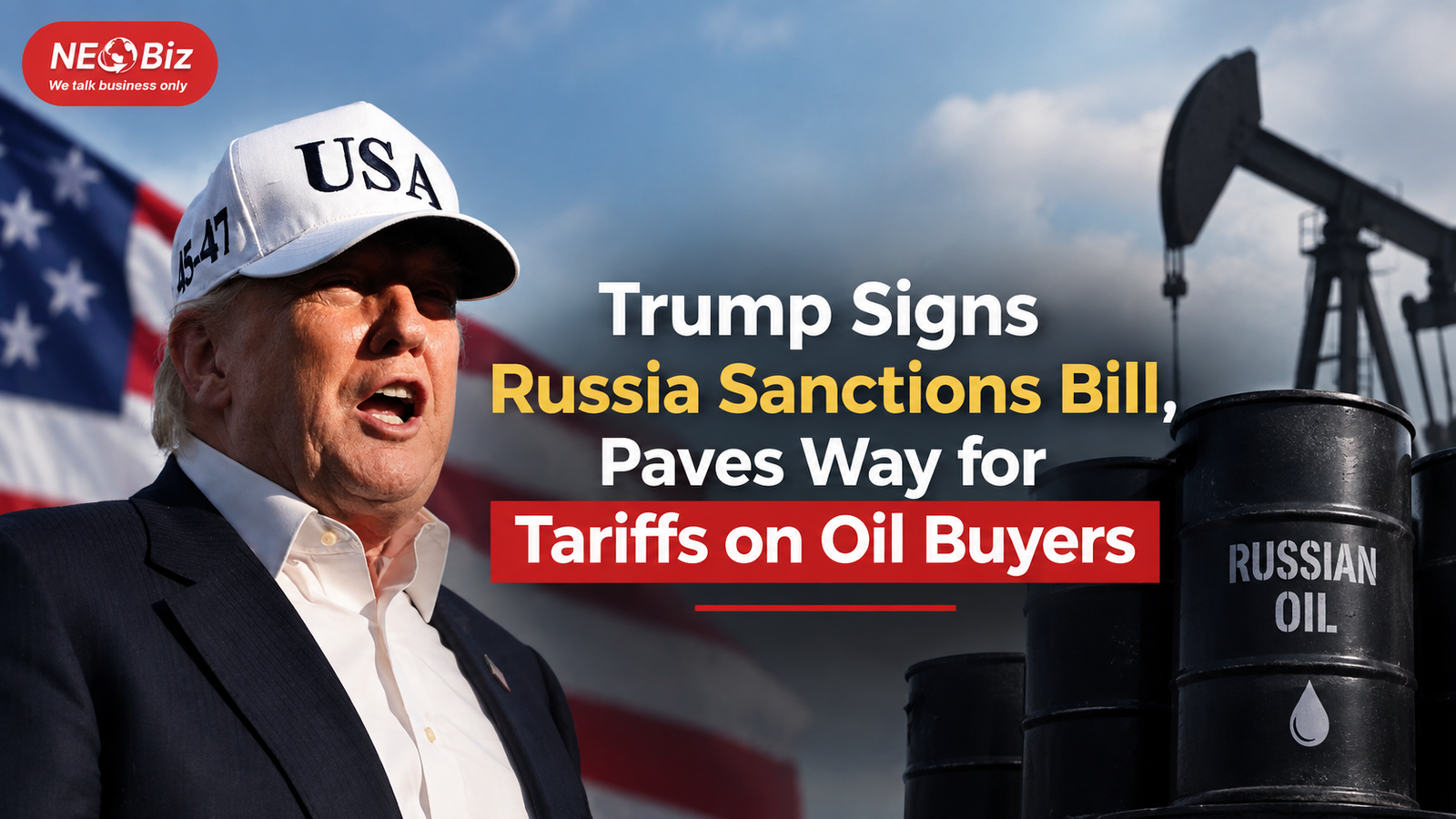
US President Donald Trump has signed legislation aimed at strengthening sanctions against Russia, opening the door for the United States to impose additional tariffs on countries that continue to purchase Russian oil and other energy products.
The legislation gives the US administration greater scope to use trade measures against countries buying Russian energy. Under the framework, major purchasers of Russian oil could potentially face significantly higher tariffs on their exports to the US, creating new challenges for international trade and energy markets.
The development comes as Russian crude remains an important component of global energy trade. Countries such as India and China have emerged as major buyers of Russian oil, particularly following disruptions in traditional energy trade patterns after the Russia-Ukraine conflict. Any additional tariff measures could therefore have implications beyond the US-Russia relationship, potentially affecting global oil flows, shipping, refining and trade costs.
For India, the issue is particularly significant because Russian crude has become an important source of the country’s energy imports. Indian refiners have purchased Russian oil based on commercial considerations, with the availability of discounted crude supporting refinery economics. If tariffs or other trade restrictions are introduced, Indian exporters with significant exposure to the US market could also face additional pressure.
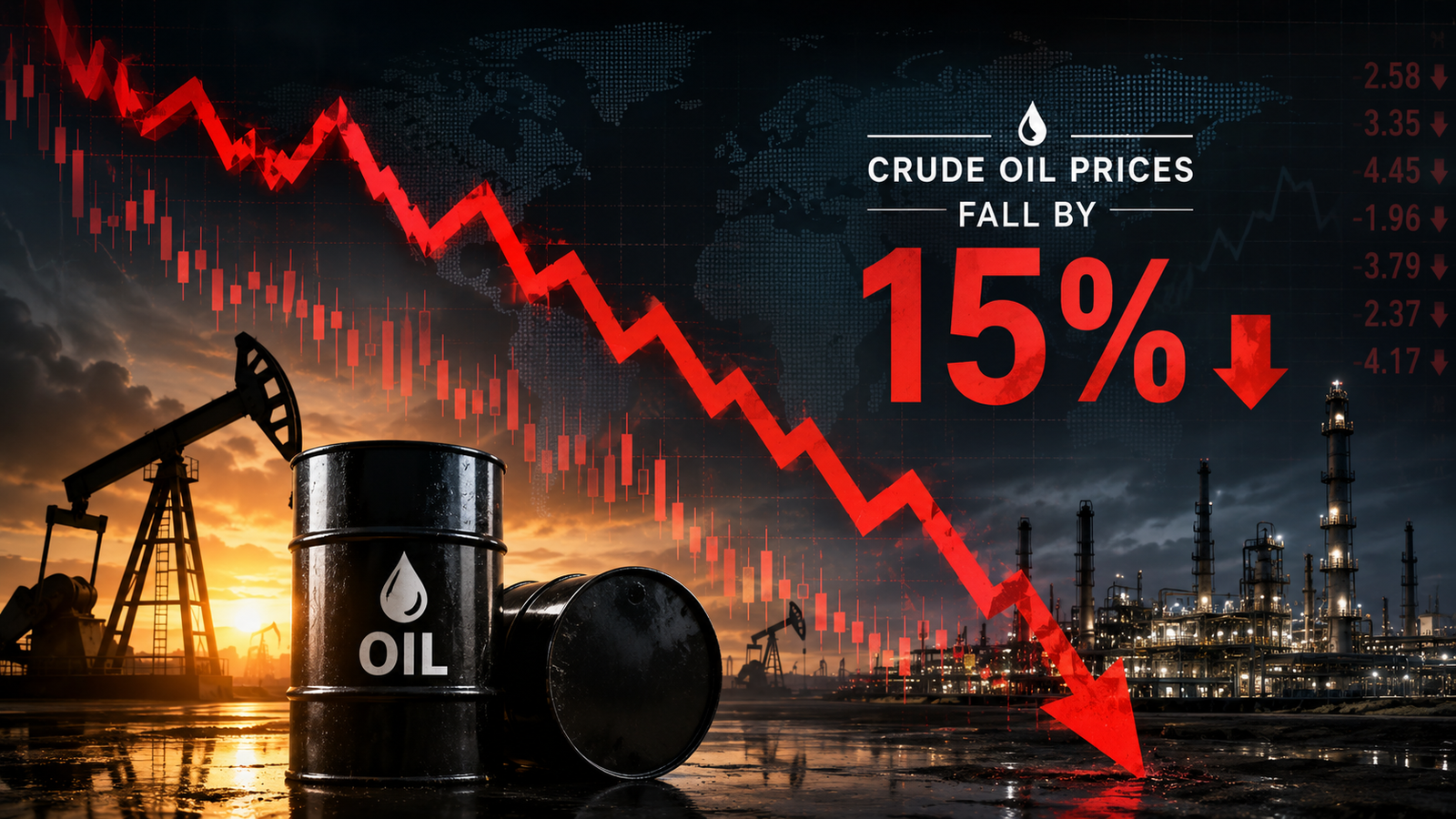
The move also adds uncertainty to global energy markets. Changes in the flow of Russian crude could influence purchasing patterns among refiners, shipping routes and crude prices. Countries affected by the potential measures may need to reassess their energy sourcing and trade strategies.
While the legislation creates the possibility of additional tariffs, the actual implementation, scope and rates would depend on subsequent decisions by the US administration. The impact on individual countries and businesses will therefore depend on how the measures are eventually applied.