India's Essar Group is planning an investment of $18 billion in the United States’ steel manufacturing sector, signalling its interest in expanding industrial operations in one of the world’s largest economies. The proposed investment comes amid continued efforts by businesses to strengthen manufacturing capabilities, explore new markets, and respond to changing global demand for industrial materials.
Steel remains essential to several major industries, including construction, infrastructure, transportation, energy, and heavy engineering. Demand for the metal is closely linked to infrastructure development, industrial production, and economic growth. Investments in steel manufacturing can therefore generate activity across a wider network of businesses, including equipment suppliers, logistics companies, engineering service providers, and raw material producers.
For Essar Group, the proposed investment could provide an opportunity to increase its international presence and establish a stronger position in the American industrial market. Expanding overseas operations can help companies access new customers, diversify revenue sources, and develop business relationships in strategically important markets. However, the commercial outcome will depend on the investment structure, implementation schedule, market conditions, and the company's ability to operate competitively.
The United States remains an important market for steel because of its demand from infrastructure projects, energy production, manufacturing, and construction. Domestic steel production also supports industries that require reliable supplies of industrial materials for machinery, transport equipment, pipelines, and other applications. Additional manufacturing investment could contribute to this industrial ecosystem, depending on the facilities developed and the products manufactured.
At the same time, steel producers face several business challenges, including fluctuating raw material prices, energy expenses, labour costs, environmental requirements, and international competition. Establishing or expanding manufacturing operations requires substantial capital, advanced equipment, efficient logistics, and access to consistent demand. These factors will influence the project's execution and long-term commercial performance.
The proposed investment also reflects a broader trend of Indian companies exploring international opportunities in capital-intensive industries. Overseas expansion can provide businesses with access to new markets, industrial infrastructure, technology, and partnerships. For large business groups, geographical diversification may also help spread commercial risks across different markets, although international operations involve their own regulatory and economic uncertainties.
Steel manufacturing is closely connected to global supply chains, with production depending on raw materials, energy, transportation, and industrial equipment. Changes in manufacturing capacity can influence sourcing decisions and create opportunities for suppliers and related service businesses. The wider impact of Essar Group's proposed investment will depend on how the project develops and its eventual contribution to US steel production.
The planned $18 billion investment highlights Essar Group's interest in expanding its presence in the US steel sector at a time when manufacturing capacity and industrial investment remain important business considerations. Its long-term significance will depend on project implementation, operating efficiency, market demand, and the company's ability to compete in an evolving global steel industry.
Economics
Sep 29, 2026
India's Essar Group Targets US Steel Sector with $18 Billion Investment
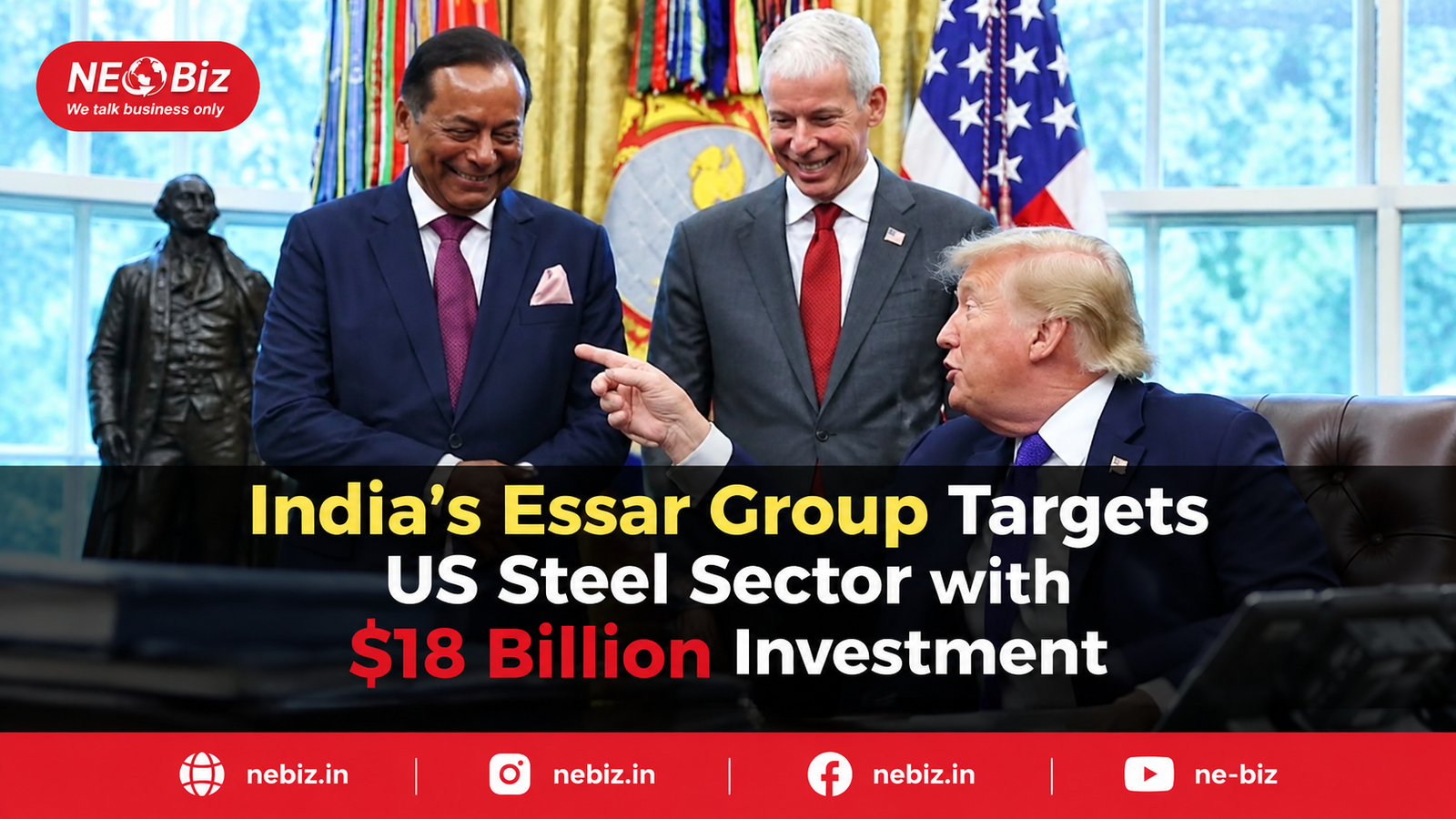
India's Essar Group is planning an investment of $18 billion in the United States’ steel manufacturing sector, signalling its interest in expanding industrial operations in one of the world’s largest economies. The proposed investment comes amid continued efforts by businesses to strengthen manufacturing capabilities, explore new markets, and respond to changing global demand for industrial materials.
Follow Us
Latest News
September 29, 2026
India's Essar Group Targets US Steel Sector with $18 Billion Investment

September 29, 2026
India Plans $25 Billion Deep-Tech Investment Amid US-China Competition

September 29, 2026
HCLSoftware to Acquire Robotiq.ai in €9 Million Deal
September 28, 2026
China Eases Tariffs on US Farm Goods, but Soybeans Remain Excluded

September 28, 2026