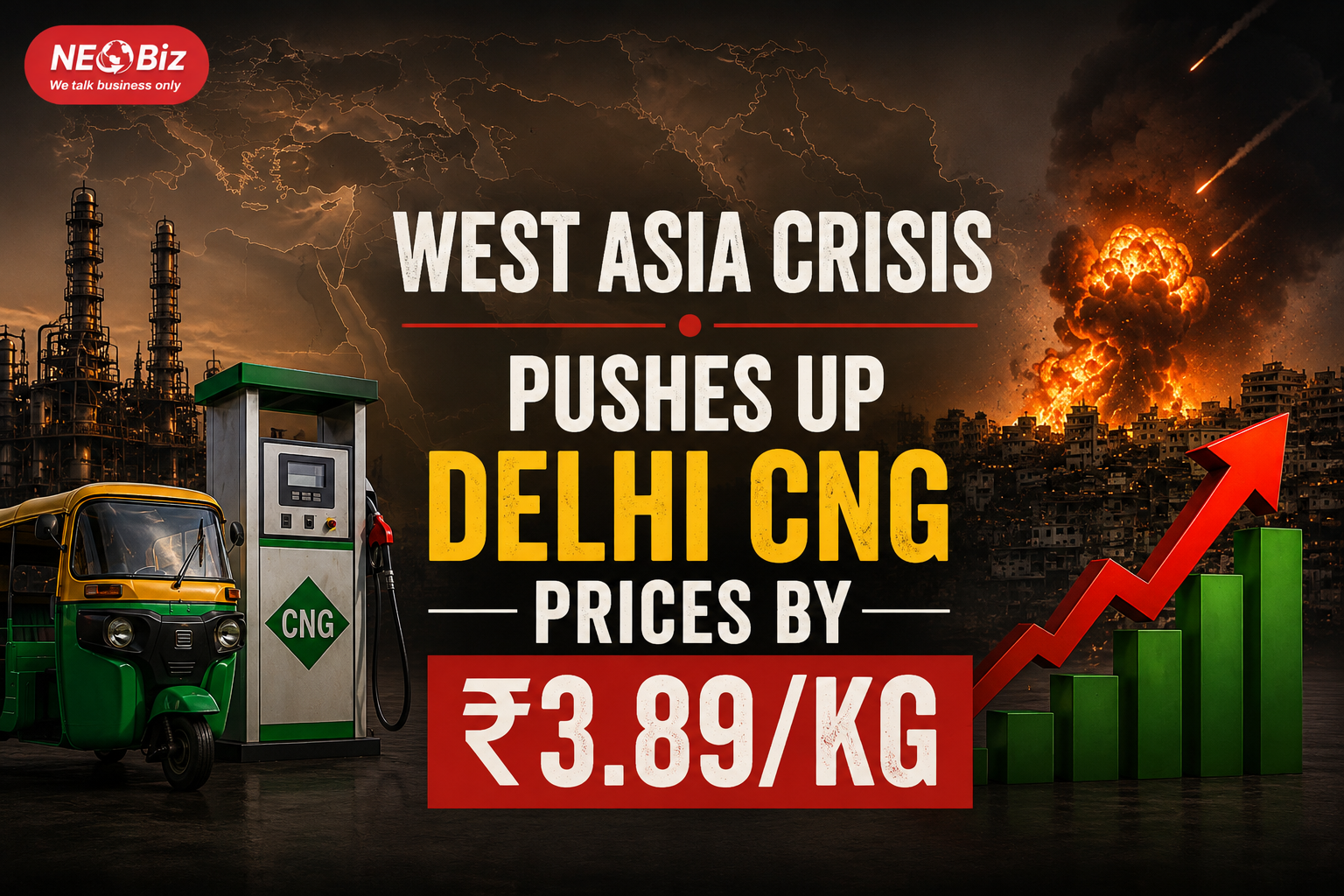
The ongoing conflict in West Asia is no longer just a geopolitical concern, its economic impact is increasingly being felt across global energy markets and now by consumers in India. Delhi’s CNG price is set to increase by ₹3.89 per kg, adding further pressure on commuters, commercial vehicle operators and businesses dependent on natural gas.
The price increase comes against the backdrop of heightened volatility in international energy markets. West Asia plays a crucial role in the global energy supply chain, and any disruption or uncertainty around production, transportation routes and LNG supplies can quickly push up international gas prices. For countries that rely on imports to meet a portion of their energy requirements, such movements can have a direct impact on domestic fuel costs.
For Delhi, the CNG hike could have wider implications. Auto-rickshaws, taxis, buses, delivery vehicles and other commercial transport services rely heavily on CNG because of its relatively lower operating cost compared with conventional fuels. A higher CNG price can therefore increase the daily running costs of these vehicles and potentially put pressure on transportation fares and logistics expenses.
The impact may also extend beyond the fuel station. Higher transportation and logistics costs can eventually feed into the prices of goods and services, particularly if energy prices remain elevated for an extended period. This makes the latest CNG increase an important development not only for vehicle owners but also for businesses and households keeping an eye on their monthly expenses.
The situation highlights how closely India’s domestic economy is connected to developments in international energy markets. A conflict in one of the world’s most strategically important energy-producing regions can influence crude oil and natural gas prices, shipping costs, currency movements and inflation expectations far beyond the immediate conflict zone.
With the West Asia situation continuing to evolve, the direction of global energy prices will remain a key factor to watch. If international gas costs stay elevated, pressure could persist across energy-intensive sectors and transportation. On the other hand, any easing of supply concerns could help stabilize prices.
For Delhi’s CNG users, however, the immediate takeaway is clear: the West Asia crisis is translating into a ₹3.89-per-kg increase in CNG prices, adding another layer of cost pressure at a time when consumers and businesses are already closely watching fuel and transportation expenses.